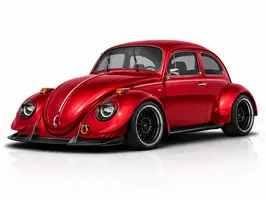
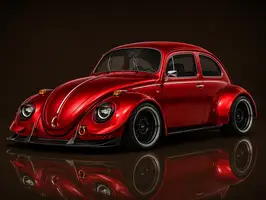
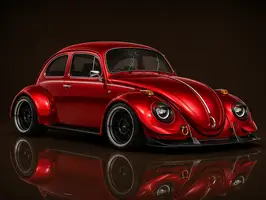
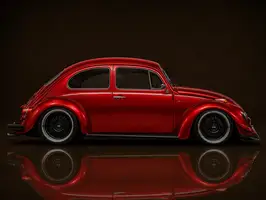
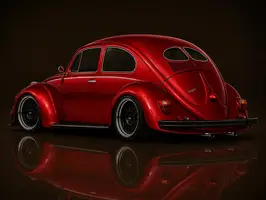
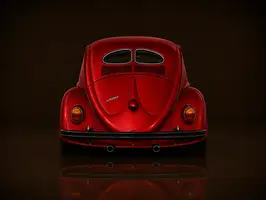
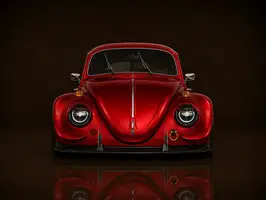
1969
One-of-a-Kind
Verified
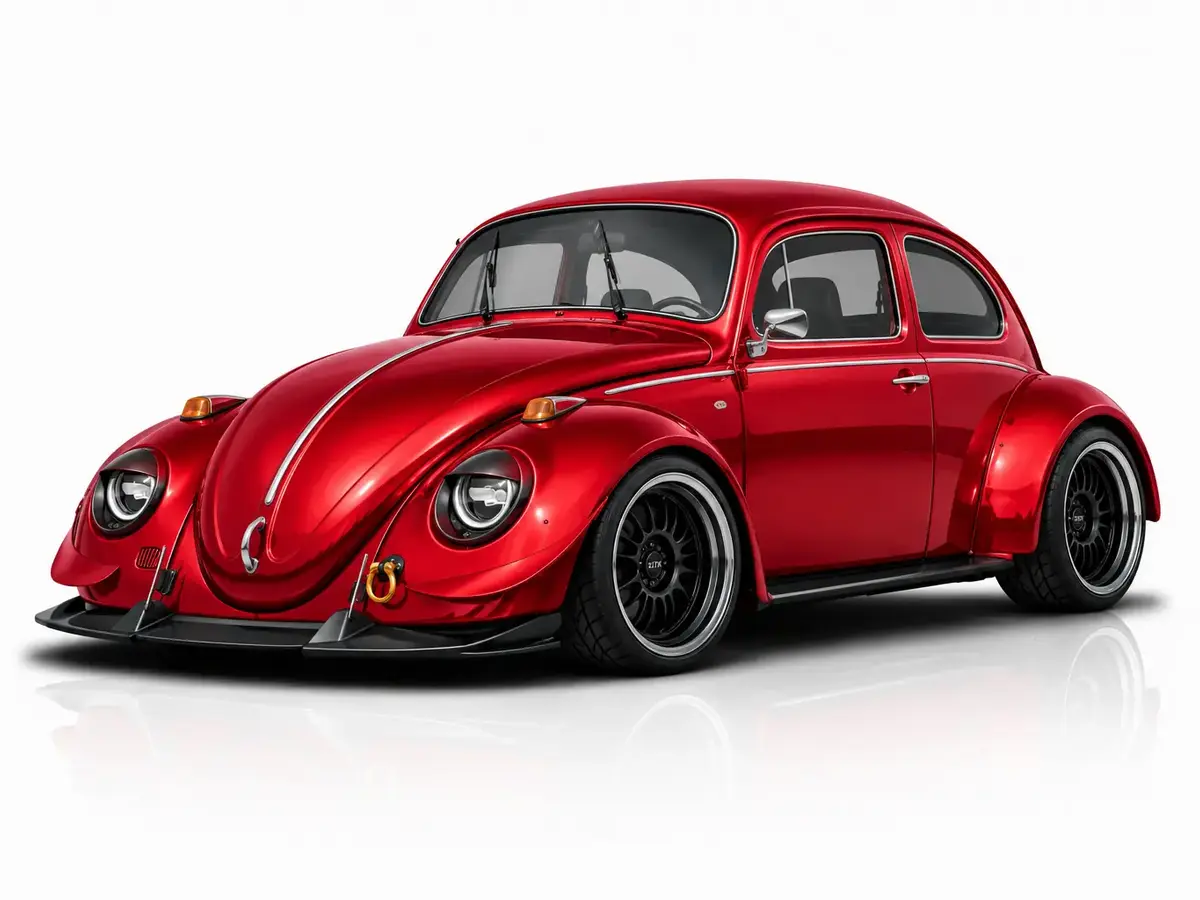
Volkswagen Escarabajo
1600 · Sedan
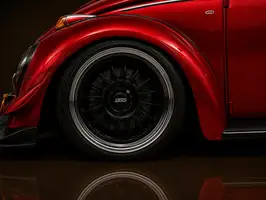
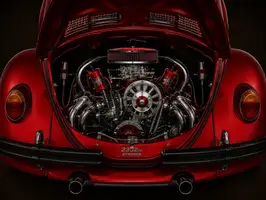
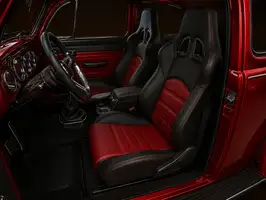
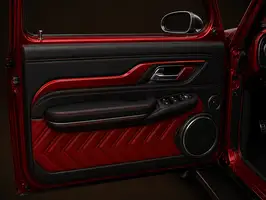
Se vende Volkswagen año 1969, un verdadero clásico que no pasa de moda. En excelente estado, ideal para uso diario, cómodo, económico y confiable ✅ Motor 1600 cc en buen estado ✅ Mecánica al día ✅ Documentos en regla ✅ Interior cuidado ✅ Manejo suave y seguro Es un carro fiel, prende fácil, responde bien y no te deja botado. Perfecto para ciudad o carretera. 📍 Precio = 28.000.000 📞 Interesados escribir o llamar al [hidden information]
$28 000 000
⭐ 4.9 · 142 reviews · Featured Build
✓ Perfect for
- Show-quality collectors
- Air‑cooled purists
- Documentation lovers
✗ Not for
- Daily commuting
- Budget buyers
- Family haulers
Mileage1 mi
Horsepower53 HP
TransmissionManual
volkswagen escarabajo 1969 — what you’re actually dealing with
A 1969 Volkswagen Escarabajo sits in the earlier end of what most people still drive today. It’s not rare. It’s not refined. It’s a simple air-cooled car built before small improvements showed up in the early 1970s.
By 1969, Volkswagen had already switched to a 12-volt electrical system. That’s one of the few real upgrades compared to older models. Everything else is still basic. No front disc brakes in most markets. Swing axle rear suspension. Carbureted engine. Manual everything.
Most cars you see today are not original. Engines get swapped. Transmissions get replaced. Wiring gets patched. You’re looking at a platform that’s been worked on for 50+ years, not a factory snapshot.
engine and mechanical baseline
Typical engine setups you’ll find:
- 1500cc single-port (~44 hp)
- 1600cc single-port or dual-port (often swapped in later)
The 1500 was common in 1969. But most surviving cars now run a 1600 because parts are easier to find and power is slightly better.
Specs for a typical 1600 swap:
- Around 48 hp
- Single carburetor (Solex 30 or 34 series)
- Air-cooled flat-four
Cooling depends entirely on airflow. No radiator. No coolant.
The system only works if everything is in place:
- Fan belt tight
- Cooling tin complete
- Engine seals intact
If those are missing, heat builds fast. Cylinder heads overheat. Valves suffer first.
Valve adjustment:
Oil change:
No full-flow oil filter in stock form. Oil carries dirt and metal particles. That’s normal for this design.
Real example: 1969 Escarabajo in Medellín with a 1600 swap. Owner skipped valve adjustments for 10,000 km. Exhaust valve on cylinder #3 tightened, overheated, lost compression. Engine still ran but had no power climbing hills. Top-end rebuild fixed it. Cost was around $350–$500 USD equivalent.
carburetor and fuel system problems
Carburetors don’t stay stable forever.
Common issues:
- Worn throttle shaft causing vacuum leaks
- Dirty jets from old fuel
- Incorrect idle mixture
That leads to:
- Rough idle
- Hesitation when accelerating
- Increased fuel consumption
Fuel system is a weak point.
Original rubber lines crack. Fuel leaks inside the engine bay. Fire risk is real.
A shop in Cali documented multiple Beetle fires over two years tied to old fuel hoses. Same failure every time. Heat, cracked hose, leak, ignition.
Replacing fuel lines every couple of years is standard practice.
transmission and clutch behavior
4-speed manual transmission.
Clutch is cable-operated. No hydraulic system.
When the cable snaps:
- Pedal drops to the floor
- Car can’t be driven
Typical cable lifespan:
Gearboxes are durable, but worn synchros are common after decades.
Second gear is usually the first to go:
- Grinding on downshifts
- Slower engagement
That’s wear. Not design.
suspension and handling limitations
1969 uses torsion bar front suspension and swing axle rear.
Front:
- Torsion bars
- Trailing arms
Rear:
Swing axle has a known issue:
- Rear wheels tuck under during hard cornering
If pushed, the car can oversteer suddenly. That’s not a theory. It’s how the geometry works.
Steering is manual. No assist.
At low speed, it’s heavy. At speed, it loosens up but feels vague if components are worn.
Most cars have worn bushings and loose steering boxes. That creates delay between input and response.
braking system reality
Most 1969 Escarabajos came with drum brakes on all four corners.
No discs. No ABS.
Drum brakes require adjustment:
- Every few thousand kilometers
If not adjusted:
- Pedal travel increases
- Braking becomes uneven
- Car pulls left or right
Brake fade happens under repeated use, especially on hills.
Stopping distance is long. By modern standards, it’s poor.
driving in real conditions
City driving works.
- 30–60 km/h feels normal
- Engine handles stop-and-go traffic
Highway driving exposes limits.
- 80 km/h is comfortable
- 90 km/h is pushing it
- 100 km/h feels unstable
Front end gets light. Crosswinds move the car.
Acceleration is slow.
- 0–100 km/h takes 20+ seconds
At altitude, power drops further.
Climbing hills:
- Third gear becomes the default
- Speed drops quickly under load
Passing another car requires space. No margin for error.
interior and usability
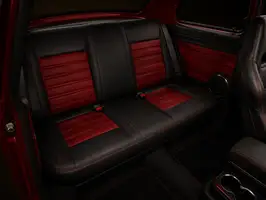
Interior is basic.
- Flat seats
- Minimal padding
- Simple speedometer
No insulation.
You hear:
- Engine noise
- Wind noise
- Road noise
Heating system uses exhaust heat exchangers.
If they’re rusted or leaking:
- No heat
- Or exhaust gases enter the cabin
Example: 1969 Escarabajo in Bogotá had rusted heater channels. Driver noticed headaches during longer drives. Exhaust fumes were entering the cabin. Heater system had to be disconnected.
No factory air conditioning.
electrical system condition
1969 switched to 12-volt. That’s useful.
But wiring ages.
Common issues:
- Brittle insulation
- Corrosion at fuse box
- Weak grounding
Headlights are dim compared to modern cars.
Charging system uses a generator. Alternator swaps are common.
Electrical problems are small but frequent.
rust and structural damage
Rust determines whether the car is usable.
Key areas:
- Floor pans
- Heater channels
- Frame head
- Rear torsion housing
These parts carry structural load.
If heater channels are gone:
- Body flex increases
- Doors misalign
Example: 1969 Escarabajo in Pereira with fresh paint. Underneath, floor pans were patched with thin sheet metal and screws. Not welded. Car flexed over bumps.
Proper repair requires cutting out rust and welding new metal. Patches don’t hold.
parts availability and cost
Parts are widely available in Colombia.
Typical prices:
- Carb rebuild kit: $25–$60
- Brake shoes: $40–$80
- Clutch kit: $120–$200
- Engine rebuild kit: $500–$900
Labor is simple.
Problem is part quality.
Cheap rubber parts crack quickly. Cheap carburetors need adjustment immediately or fail early.
You save money upfront, then repeat the job.
fuel consumption
Typical fuel economy:
Depends on carburetor condition and driving style.
Ethanol in fuel damages old hoses unless replaced with updated materials.
real ownership example
1969 Escarabajo used daily in Medellín.
Usage:
Repairs over one year:
- Clutch cable replaced once
- Carburetor rebuilt
- Valve adjustments every 2–3 months
- Fuel lines replaced after cracking
Total cost: around $700–$1,000 USD equivalent.
Downtime: about 10–12 days total.
Car kept running. Required constant small fixes.
what it comes down to
A 1969 Volkswagen Escarabajo runs because it’s simple, not because it’s strong.
It needs constant attention. Small repairs, repeated often.
It works in slow city traffic. It struggles in modern driving conditions.
It’s cheap to keep moving. It’s not easy to own.
That’s the reality.