1967
One-of-a-Kind
Verified
Volkswagen Escarabajo
1300 · Sedan
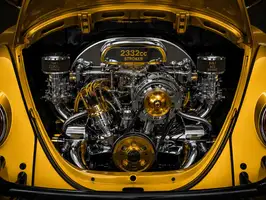
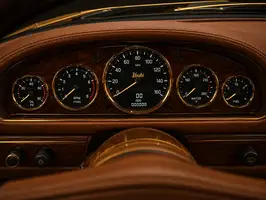
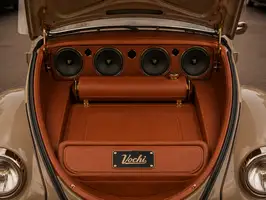
precio fijo nada menos 15.500 vendo volkswagen escarabajo Vehiculo muy recomendable, año 1967. Economico en combustible. Excelente estabilidad Tecnomecanica y SOAT hasta septiembre 2026 ubicacion en bogota. Suba salitre. Color amarillo Terminal de placa 0 Frenos de disco delanteros Faros Led Aleman Motor 1300 Vidiros polarizados. Ventanillas electricas. tiene sunroof o techo solar 100% funcional electrico. Traspaso esta a nombre de mi suegra 2 puertas Tecno mecanica al dia Precio: 18millones negociable
$
⭐ 4.9 · 142 reviews · Featured Build
✓ Perfect for
- Show-quality collectors
- Air‑cooled purists
- Documentation lovers
✗ Not for
- Daily commuting
- Budget buyers
- Family haulers
Mileage1 mi
Horsepower185 HP
TransmissionManual
volkswagen escarabajo 1967 review — the last “simple” beetle before changes
The 1967 Volkswagen Beetle 1967 is a one-year-only setup in a lot of ways. It keeps the earlier body and feel, but adds a few upgrades that matter: 12-volt electrics, a 1500cc engine, and better charging output. That mix is why people chase it.
Factory numbers are modest. About 53 horsepower from the 1500cc single-port flat-four. Top speed around 80 mph on paper. Real-world cars don’t hit that unless they’re fresh.
This is still an air-cooled engine with no oil filter from the factory, just a screen. Oil changes aren’t optional. Skip them and you grind the internals down.
engine and mechanical behavior
The 1500cc engine is the same basic layout used for decades. Magnesium case, pushrod valvetrain, carburetor. You adjust valves every 3,000 miles. Not “check.” Adjust.
It runs well when everything is set right. Timing at 7.5° BTDC, valves at .006", carb dialed in. Get one of those wrong and the engine runs hot or weak. Usually both.
Common failure pattern:
- Tight exhaust valves
- Overheating on cylinder 3
- Dropped valve seat
Seen it too many times. One car in San Diego came in after a highway run. Lost compression on #3. Head cracked. Owner hadn’t touched the valves in 10,000 miles. That repair turned into a full top-end rebuild. Around $1,000–$1,500 in parts and machining, depending on how much you replace.
The upside is access. Engine comes out with four bolts, fuel line, wiring, throttle cable. First time takes two hours. After that, under one.
transmission and suspension limits
Most 1967 Beetles use a swing axle rear suspension. It’s simple and strong but has handling drawbacks.
Hard cornering loads the outside wheel and can cause tuck-under if pushed. That’s not theory. It happens. You feel the rear get unstable if you drive it like a modern car.
Ride quality is soft at low speed. At highway speed, it floats a bit. Steering has play unless everything is rebuilt. Even then, it’s not precise.
Gear ratios are short. Good for city driving. On the highway, the engine sits at higher RPM than people expect. Sustained 65 mph is fine. 70 mph in hot weather starts pushing oil temps up.
braking and safety reality
Four-wheel drum brakes. No assist. No discs from the factory.
They work when adjusted correctly. That’s the catch. Star adjusters need regular attention. Shoes wear unevenly if ignored. Brake fade shows up on long downhill runs.
No crumple zones. No airbags. Thin metal. Steering column is not collapsible. In a modern crash, this car loses. That’s the reality.
electrical system and one-year parts problem
1967 is the first year of 12-volt in the Beetle for many markets. That’s a real upgrade. Faster starts, brighter lights, better charging.
The problem is the one-year-only parts:
- Headlight rings
- Decklid
- Some switches and trim pieces
You don’t always find correct replacements easily. Used parts prices reflect that. A correct 1967-only decklid can run a few hundred dollars depending on condition.
interior and structure issues
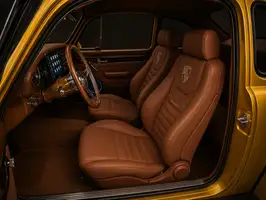
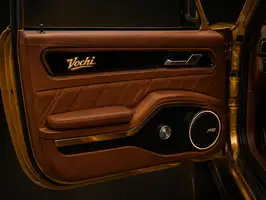
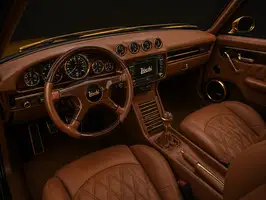
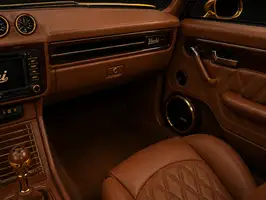
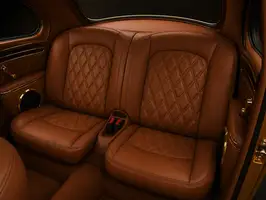
Interior is basic. Flat seats, minimal padding, simple controls. It holds up if kept dry.
The real issue is structure:
- Heater channels rust
- Floor pans rust
- Lower door pillars weaken
Rust repair is not cheap patchwork if done right. Cutting out channels and welding replacements can run $2,000–$4,000 in labor. More if the damage spreads.
A clean paint job can hide serious structural rot. Seen cars that looked solid until the body was lifted off the pan. Then everything showed up at once.
maintenance reality
This car needs routine work. Not occasional.
- Valve adjustment every 3,000 miles
- Oil change every 3,000 miles
- Points and timing checks often
- Carb adjustments with temperature changes
Ignore that and the engine degrades fast. No warning lights. No limp mode.
Parts are widely available, but quality varies. Original German parts last. Cheap aftermarket parts fail early. Seen brand new fuel pumps fail within months. Same with ignition components.
what it actually is to own
The 1967 Beetle is not a passive ownership car. It’s active. You adjust it, listen to it, fix small issues before they stack.
Treat it like a modern car and it breaks. Treat it like a machine that needs regular mechanical input and it runs for years.
That’s the line.