1967
One-of-a-Kind
Verified
Volkswagen Escarabajo
1300 · Sedan
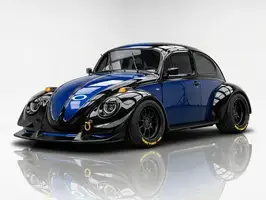
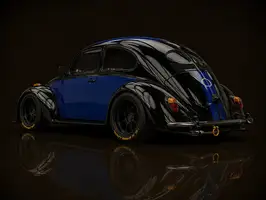
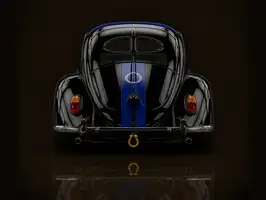
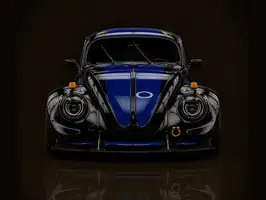
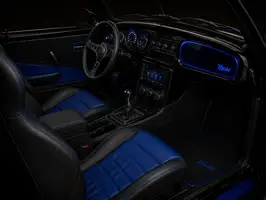
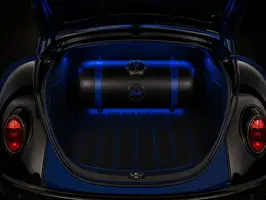
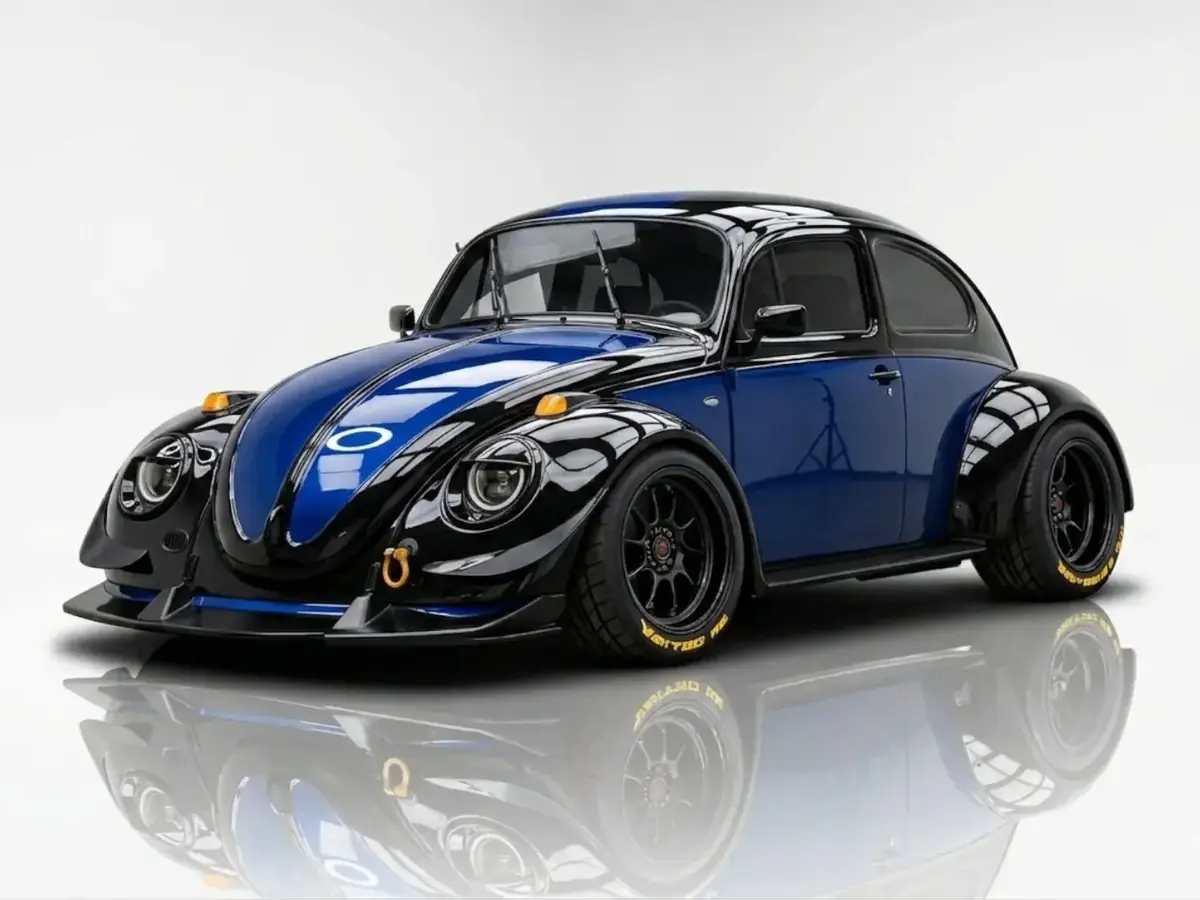
VENTA VOLKSWAGEN ESCARABAJO MODELO 1967 MOTOR 1.300 MECÁNICO KILOMETRAJE : 78.000 COLOR BITONO : AZUL - NEGRO BOMPER EN CROMO ORIGINAL TRÁNSITO CALARCA TRASPASO AL DÍA
$20 000 000
⭐ 4.9 · 142 reviews · Featured Build
✓ Perfect for
- Show-quality collectors
- Air‑cooled purists
- Documentation lovers
✗ Not for
- Daily commuting
- Budget buyers
- Family haulers
Mileage78 mi
Horsepower185 HP
TransmissionManual
volkswagen escarabajo 1967 — what it really takes to live with one
The 1967 Volkswagen Beetle 1967 sits in that awkward middle ground. Still primitive, but just modern enough to trick people into daily driving it without thinking. That’s where most mistakes start.
Factory setup is a 1500cc single-port engine, about 53 hp. Carburetor, mechanical fuel pump, points ignition. Weight is under 1,800 lbs. That’s why it feels alive at low speed. Past 60 mph, the illusion fades. Stock gearing keeps the engine spinning high, and you hear everything.
It’s a simple car. That’s the upside. It’s also a car that demands constant attention. That’s the cost.
how reliable it actually is
Reliability depends on how honest the rebuild was.
A properly built air-cooled engine—tight tolerances, balanced crank, good cooling tin—can run 60,000–80,000 miles before needing a teardown. A sloppy rebuild can fail in 10,000. I’ve seen both in the same month.
Valve adjustments every 3,000 miles. Oil changes just as often. No filter on most stock setups, just a screen. Miss those intervals and the engine wears fast.
Electrical issues show up after 40–50 years. Brittle wires, weak grounds, voltage drops. The 12-volt system added in 1967 helps, but it doesn’t fix aging copper.
It’s reliable if maintained like a machine from the 1960s. Ignore that, it turns into a roadside problem.
can it replace a modern car
Not stock. Not even close.
Acceleration is slow enough to create risk in modern traffic. 0–60 in around 18 seconds. Braking distance is long with drums. No crash protection worth trusting. No headrests in many cars. No ABS, no airbags.
You can rebuild it to function like a modern daily, but you’re replacing most of the car to get there.
what needs to be upgraded first
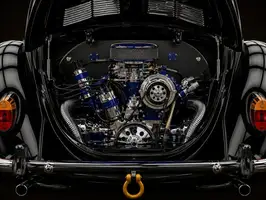
Start with the engine. A 1776cc build is the common baseline. Same case, larger pistons. Expect 75–90 hp if built right. Cost sits around $3,000 to $6,000 depending on parts and machine work. That alone makes highway driving possible.
Go bigger—1915cc or 2110cc—and you’re in the 100–140 hp range. That solves the speed problem. It introduces heat and longevity issues if cooling and tuning are wrong.
Brakes come next. Front disc conversion kits run $400–$800. Four-wheel disc setups go past $1,200. Stock drums fade under repeated stops. That’s not theory, that’s how they behave after two hard stops downhill.
Suspension needs correction. The swing axle rear end tucks under in hard corners. That’s not driver error, that’s geometry. Camber compensators help. An IRS conversion fixes it properly but requires fabrication or a later chassis swap.
Transmission gearing matters more than people expect. A “freeway flyer” gearbox drops engine RPM at 65–70 mph. Without it, you’re sitting at 3,500–4,000 RPM constantly. That wears engines faster.
what it costs to make it usable
A real number, not a guess.
A full build done in Phoenix in 2022 on a ’67:
- 1776cc engine: $4,200
- dual carb setup: $700
- front disc brakes: $550
- wiring harness replacement: $450
- suspension rebuild: $900
- transmission rebuild with taller gearing: $1,600
Total: just over $8,000 in parts and labor, not counting the car.
That car went from barely holding 55 mph to cruising at 70 without overheating. That’s the gap between stock and usable.
the strengths that still matter
The engine is accessible. You can pull it in under an hour with basic tools. Try that on anything modern.
Parts are everywhere. EMPI and CB Performance supply most of what you need. Prices are still lower than modern OEM parts in many cases.
Fuel economy sits around 25–30 mpg when tuned correctly. That hasn’t changed much in 50 years.
The car is light. That reduces wear across the board. Tires last longer. Brakes last longer. You feel every change you make.
the weaknesses people ignore
It’s slow unless modified. That’s not a personality trait, it’s a limitation.
Safety is minimal. In a collision with a modern SUV, the outcome isn’t equal. Thin steel, no engineered crumple zones, rigid steering column in some builds.
Rust is structural. Heater channels and floor pans aren’t cosmetic. Once they go, the body loses rigidity. Fixing it means cutting and welding, not patching.
Heating system uses air routed over the exhaust. If heat exchangers leak, exhaust gases enter the cabin. That’s how people get headaches driving these cars in winter.
Maintenance never stops. This isn’t a car you “catch up” on. It’s ongoing.
one example that shows the reality
A ’67 came into a shop in Orange County in 2021. Owner said it “ran fine.” It didn’t.
Compression numbers: 120, 115, 80, 75 psi. Two cylinders were done. Brake lines were original. Rear axle boots were cracked and leaking gear oil onto the brakes.
He drove it 20 miles a day like that.
End result:
- full engine rebuild (1776cc): $3,800
- brake system replacement: $900
- axle and seal work: $400
After repair, it drove straight, stopped predictably, and held highway speed. Before that, it was one failure away from being towed.
what you end up with after modifying one
You can build a 1967 Beetle that keeps up with modern traffic, stops straight, and starts every morning. That version exists. It just isn’t stock anymore.
At that point, you’ve replaced or rebuilt the engine, brakes, wiring, suspension, and often the transmission. What’s left is the shell and the driving feel.
That’s the trade. Control over the machine versus the convenience and safety of something built after 2000.