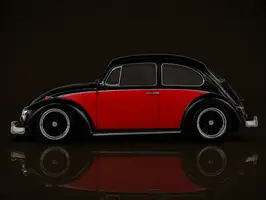
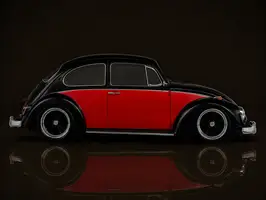
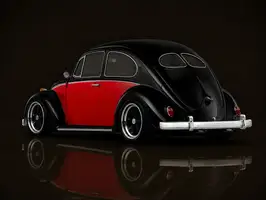
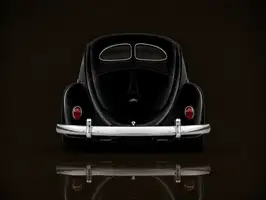
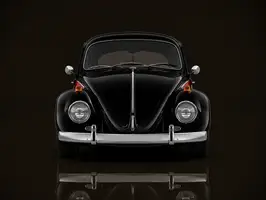
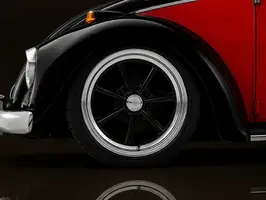
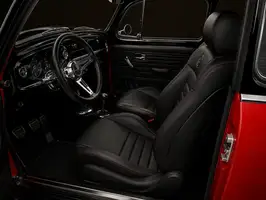
1955
One-of-a-Kind
Verified
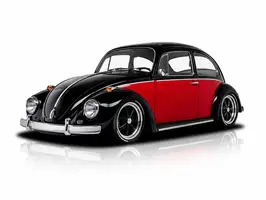
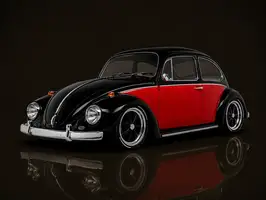
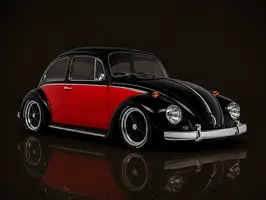
Volkswagen Escarabajo
1600 · Sedan
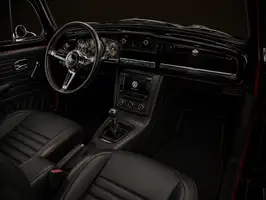
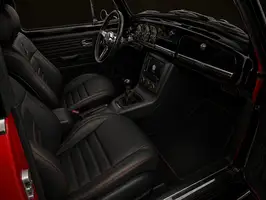
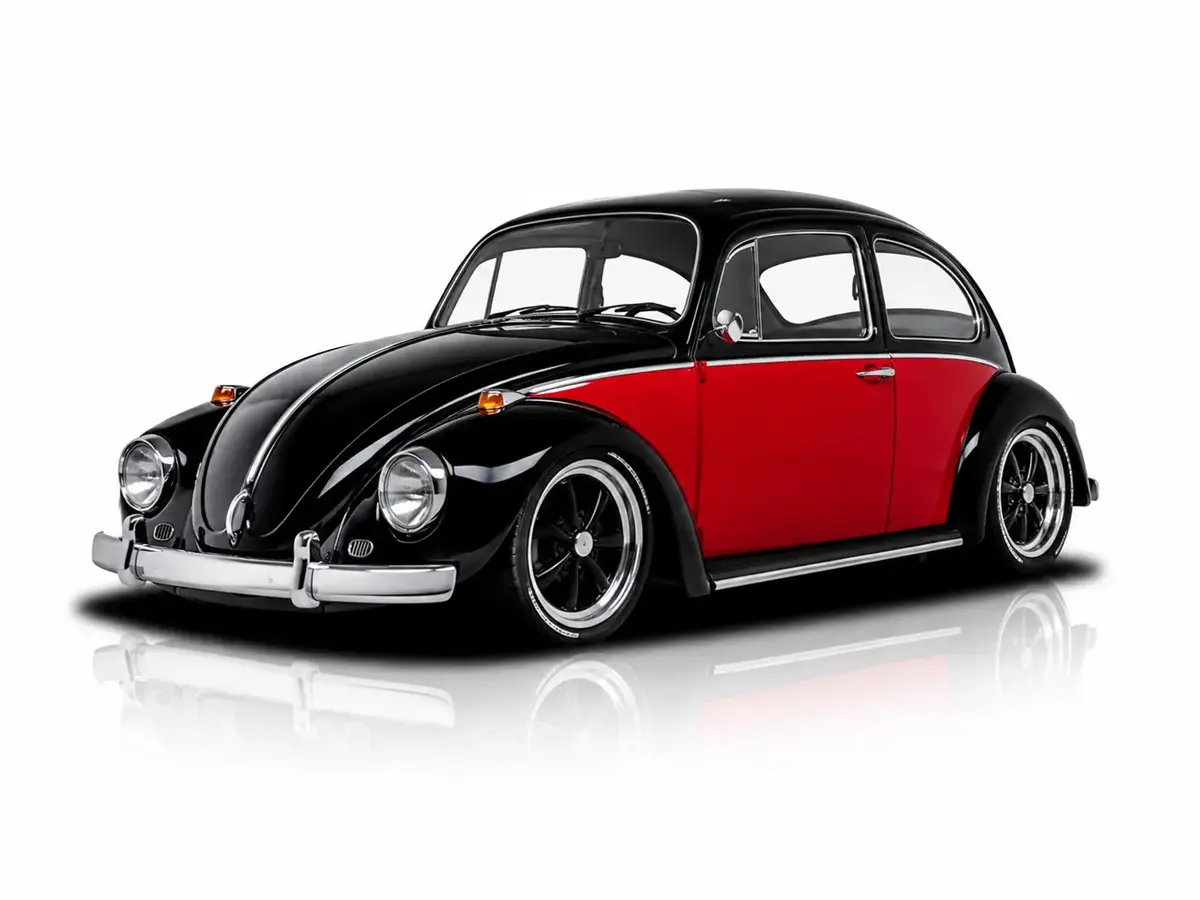
A 1955 VW Beetle is ideal if someone loves classic cars and automotive history. Its simple mechanics make it accessible for hobbyists, and its unique design gives it strong personality and cultural value. It can be a fun weekend car, a restoration project, or a collectible piece of automotive history. Many people enjoy the Beetle for its community, style, and character rather than outright performance.
$12 000 000
⭐ 4.9 · 142 reviews · Featured Build
✓ Perfect for
- Show-quality collectors
- Air‑cooled purists
- Documentation lovers
✗ Not for
- Daily commuting
- Budget buyers
- Family haulers
Mileage1 mi
Horsepower50 HP
TransmissionManual
Alright, listen up. You want to know if a 1955 Volkswagen Escarabajo is a smart buy? Or if you can turn that little tin can into something that doesn't get you killed on the highway next to a Ford F-150? I've been inside more of these air-cooled bastards than I've had hot dinners. Let's cut the crap and get real about what you're actually getting into.
why you’d want one
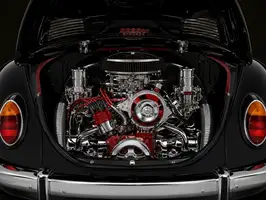
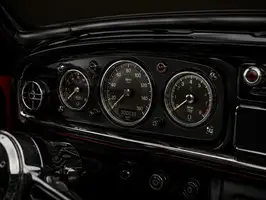
The 1955 Beetle is the purest form of the original. This was the first year for the bigger oval rear window, which makes it look miles better than the split-window cars. It still has those cool semaphore turn signals that flip out of the door pillar like little arms. Mechanically, it’s running a 1,192cc air-cooled flat-four that makes a screaming 36 horsepower at 3,600 rpm. Top speed is around 115 km/h (72 mph), and 0-60 takes about 27.5 seconds. Yeah, you read that right. Almost half a minute.
The good stuff:
- Everything is simple. No computers, no sensors, no bullshit.
- Parts are still everywhere. Jbugs and TheSamba have anything you could need.
- The engine is a boxer. It sounds weird and it shakes, but you can pull the whole thing out in an afternoon.
- Resale is solid. A clean oval-window car is $45,000 to $52,000. A project is $5,000.
the brutal truth about owning a 1955 beetle
Let me tell you about the 36-hp life. My customer Dave brought his '55 in last summer complaining it "didn't feel safe on the freeway." No shit, Dave. You're in a 730 kg car with drum brakes that stop like a greased pig. The engine is wheezing to keep up, and the heater? The heater is basically a prayer.
The real problems nobody talks about:
- Brakes are a joke. Four-wheel drums are fine for 1938. In 2026 traffic, they're dangerous. They fade after one hard stop from 50 mph. The pedal goes to the floor and you just... pray.
- Swing axle suspension wants to kill you. The rear wheels tuck under if you lift off the throttle mid-corner. It's called "jacking." Try that on a wet off-ramp and you'll be looking at the sky.
- Safety? There is none. No airbags. No ABS. No ESC. The fuel tank is in the front, right behind the bumper. The doors are skin and cardboard. One forum guy said it best: "It's a death trap".
- The air-cooled engine is a liar. VW sold it as "no radiator, more reliable." Bullshit. They didn't tell you about the warped cylinder heads and melted pistons if you run it hot. The 36hp motor needs valve adjustments every 3,000 miles. If you skip that, you're pulling the engine to replace a dropped valve seat.
- The 6-volt electrical system is a crime. The headlights are basically two candles in a jar. You can't jump-start it from a modern car without frying everything.
can it replace a modern car? here’s the upgrade path
Yes, but only if you're willing to spend money. Real money. Here's what you need to do to make a '55 a daily driver.
Brakes: First thing. Rip out the drums. A front disc kit from Wilwood is about $1,500. Add a dual-circuit master cylinder so when a line blows, you still have brakes on two wheels. Do it.
Engine: The 36hp motor is fine for parades. For traffic, you need a 1,600cc or 1,800cc. Expect $3,000 to $7,000 for a proper rebuild. Add a better oil cooler and a thermostat-controlled fan to keep it from melting in summer.
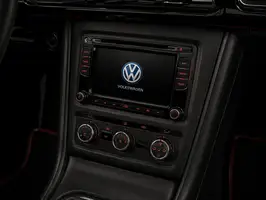
Electrical: Convert to 12 volts. Full kit is around $500. Now your lights actually work and you can charge a phone.
Suspension: Drop the front spindles and add a camber compensator in the rear. It won't fix the swing axle completely, but it helps.
Electric conversion: The expensive option. Zelectric in San Diego does turn-key conversions starting at $78,000 for a Beetle. DIY is $20,000 to $40,000. You lose the engine noise but gain instant torque and reliability.
so, should you buy one?
Here's the truth. If you want a weekend toy to cruise to cars and coffee, buy a '55. They're cool, they're simple, and they hold value. My 1955 Beetle is a 70-year-old time capsule. Don't drive it like a modern car.
If you want a daily driver that can actually replace a Toyota Corolla, you need to budget $15,000 to $25,000 in upgrades on top of the purchase price. Or just buy a used Golf and be done with it.
I've seen too many guys buy a pretty oval-window car, drive it twice, then park it because it's "too much work." Don't be that guy. Go in with your eyes open.