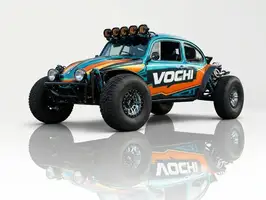
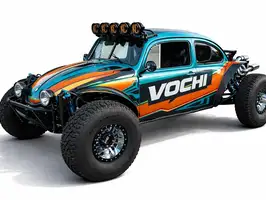
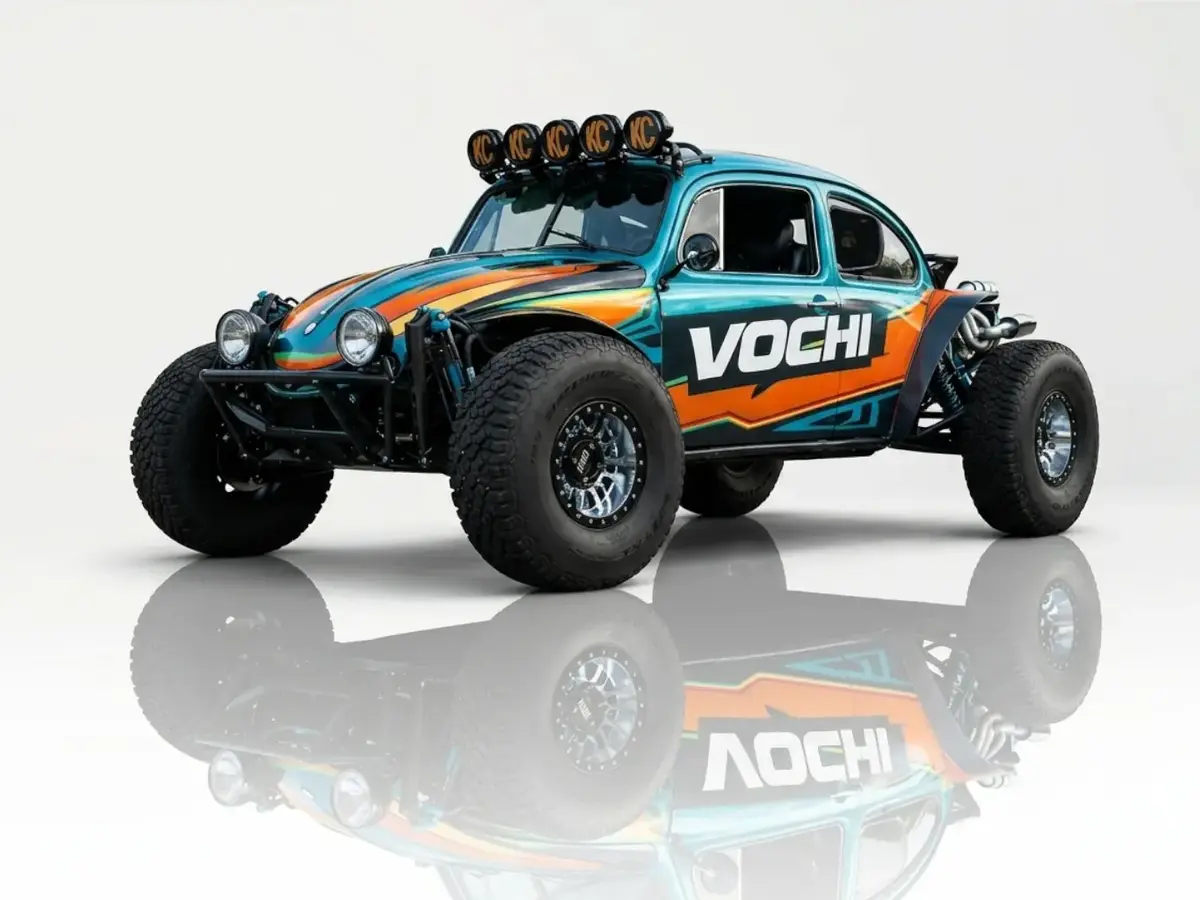
1972
One-of-a-Kind
Verified
Volkswagen Beetle
Desconocido · Sedan
1. Diseño icónico que nunca pasa de moda
Es uno de los autos más reconocibles del mundo. Su silueta clásica atrae miradas y tiene un valor emocional fuerte. No es solo un carro, es historia automotriz.
2. Mecánica simple y fácil de reparar
- Motor enfriado por aire (sin radiador).
- Pocas piezas electrónicas.
- Fácil mantenimiento.
- Gran disponibilidad de repuestos clásicos.
Es ideal si te gusta la mecánica o quieres un clásico que no sea complicado.
3. Bajo costo de mantenimiento
Comparado con muchos clásicos, el Escarabajo es:
- Económico en repuestos.
- Sencillo de trabajar.
- Relativamente barato de mantener.
4. Comunidad enorme y apoyo mundial
Hay clubes, foros y especialistas en casi todos los países. Eso facilita restauraciones, asesoría y conseguir piezas.
5. Potencial de valorización
Los clásicos bien conservados o restaurados tienden a mantener o aumentar su valor con el tiempo, especialmente si están originales.
6. Perfecto como proyecto
Es uno de los mejores autos para:
- Restaurar.
- Personalizar (estilo clásico, Cal-Look, alemán, etc.).
- Convertir en pieza de exhibición.
7. Experiencia de manejo auténtica
- Dirección directa.
- Sensación mecánica pura.
- Conducción clásica sin asistencias electrónicas.
Es un auto que se maneja, no solo se conduce.
$
⭐ 4.9 · 142 reviews · Featured Build
✓ Perfect for
- Show-quality collectors
- Air‑cooled purists
- Documentation lovers
✗ Not for
- Daily commuting
- Budget buyers
- Family haulers
Mileage1,247 mi
Horsepower60 HP
TransmissionAutomatic
volkswagen super beetle 1972 — what changed and what didn’t
The 1972 Volkswagen Super Beetle looks similar to a standard Beetle, but underneath the front end it’s a different setup. Volkswagen switched from torsion bar suspension to MacPherson struts in the front. That’s the main change. Everything else is mostly the same old platform.
Engine is still in the rear. Air-cooled. Carbureted. Around 48 horsepower if it’s a 1600 dual-port. So don’t expect a different driving experience in a straight line. The change is in ride and front-end behavior, not power.
Most cars you’ll see today are not fully original. Engines get swapped. Carburetors get replaced. Wiring gets patched. You’re dealing with 50 years of mixed work.
engine and drivetrain reality
Same baseline as a standard Beetle of the time:
- 1600cc dual-port flat-four
- Around 48 hp
- Single carburetor, usually Solex 34 PICT-3
- 4-speed manual transmission
No fuel injection. No electronics managing anything.
Maintenance is constant:
- Valve adjustment every 5,000–8,000 km
- Oil change every 3,000 km
- Ignition timing checks
Skip valve adjustments and the engine loses compression. It doesn’t fail instantly. It just gets weaker until you have to open it up.
Real case: 1972 Super Beetle in Manizales. Owner ignored valve adjustments for about 12,000 km. Burnt exhaust valve on cylinder #2. Compression dropped to around 80 psi. Engine still ran, but power was gone. Head rebuild fixed it. Cost was around $350 USD equivalent.
Cooling system is simple but unforgiving. Missing engine tin or a loose fan belt leads to overheating. No warning system that saves you.
what the super beetle front end actually does
This is the one area where the Super Beetle is different.
Instead of torsion bars, you get:
- MacPherson struts
- Coil springs
- Different front geometry
Ride quality is better over rough roads. It absorbs bumps instead of bouncing over them.
Steering feel changes too. It’s a bit more stable at speed compared to a standard Beetle. Not modern. Just less primitive.
But there’s a problem most people don’t talk about.
Super Beetles develop front-end shimmy.
At around 70–90 km/h, the steering wheel starts shaking if components are worn. Causes include:
- Worn control arm bushings
- Bad struts
- Out-of-balance wheels
- Worn steering damper
Fixing it requires replacing multiple parts. Not one quick adjustment.
A 1972 Super Beetle in Medellín came in with severe shimmy at 80 km/h. Owner had already replaced tires. Real issue was worn bushings and a dead steering damper. Full front-end refresh fixed it. Cost around $400 in parts and labor.
driving behavior in real conditions
City driving is where this car works best.
- Speeds under 60 km/h feel normal
- Steering is manageable once moving
- Suspension handles uneven roads better than a standard Beetle
Highway driving still exposes the same limitations:
- 80–90 km/h is comfortable
- 100 km/h feels unstable
- Crosswinds affect it
Acceleration is still slow. Around 20 seconds to reach 100 km/h depending on altitude.
In places like Bogotá or Medellín, reduced air density cuts power further.
You don’t rely on acceleration. You plan around it.
braking system and limitations
Front disc brakes were more common on Super Beetles by 1972. Rear drums stayed.
Braking performance is better than older drum-only setups, but still basic.
Common issues:
- Rear drums out of adjustment
- Old brake fluid causing soft pedal
- Worn wheel cylinders
Stopping distances are long compared to modern cars. No ABS. Wheels lock easily on wet roads.
interior and daily usability
Interior is slightly improved over earlier Beetles, but still basic.
Changes include:
- Slightly more curved windshield
- More trunk space in the front due to suspension layout
But comfort is still limited:
- Flat seats
- Minimal padding
- High cabin noise
You hear the engine constantly.
Heating system still uses exhaust heat exchangers. If they’re rusted or leaking, you get either no heat or contaminated air.
Real case: Super Beetle in Bogotá with patched heater channels. Cabin filled with exhaust smell during long drives. Owner removed heater system entirely to avoid fumes.
No factory AC in most markets. Aftermarket systems reduce engine performance.
electrical system and aging problems
12-volt system.
Common failures:
- Worn wiring insulation
- Corroded fuse box connections
- Weak headlights
Alternator or generator failure shows up as battery drain.
Electrical issues are usually small but persistent. Loose grounds cause intermittent problems.
rust and structure
Same weak points as standard Beetles:
- Floor pans
- Heater channels
- Frame head
- Strut towers (specific to Super Beetle)
Strut towers are critical. Rust here affects suspension mounting.
Example: 1972 Super Beetle in Cali had rust around the strut tower. Previous owner patched it with thin metal. Under braking, front suspension shifted slightly. Not visible at a glance. Dangerous.
Proper repair requires cutting and welding. No shortcuts.
parts availability and cost
Parts are widely available in Colombia and Latin America.
Typical prices:
- Struts: $80–$150 each
- Steering damper: $30–$60
- Carb rebuild kit: $25–$60
- Clutch kit: $120–$200
Super Beetle front-end parts are slightly more expensive than standard Beetle parts. Still affordable compared to modern cars.
Quality varies. Cheap bushings wear out fast. You end up doing the job twice.
fuel economy
Fuel consumption:
Depends heavily on carburetor condition and tuning.
Ethanol in modern fuel damages old rubber components unless replaced with updated materials.
real ownership example
1972 Super Beetle used as a daily car in Medellín.
Usage:
- 20 km per day
- City driving
Repairs over 12 months:
- Front suspension rebuild (bushings, struts, steering damper)
- Carburetor rebuild
- Valve adjustments every 2–3 months
- Fuel lines replaced
Total cost: around $1,100 USD equivalent.
Downtime: about 12–15 days across multiple small repairs.
After front-end work, car drove better. Still slow. Still required attention.
what it comes down to
A 1972 Super Beetle fixes one problem and keeps the rest.
Ride quality improves. Front-end stability improves slightly.
Everything else stays the same. Low power. Constant maintenance. Limited safety.
It’s still a simple machine that works because you keep working on it.
That’s the deal.